Graves’ Disease Functional Medicine Care
Conditions We Support
Learn how to manage Graves' disease naturally. Dr. Autoimmune helps you balance an overactive thyroid and find lasting relief.
What is Graves' Disease?
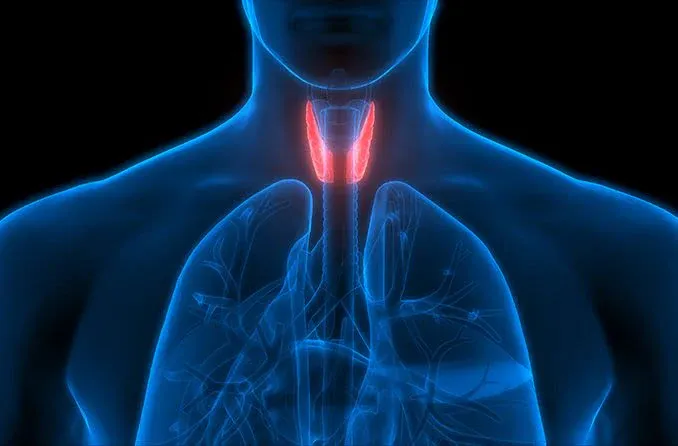
Graves' disease is an autoimmune disease, meaning that the immune system attacks the thyroid gland. If you're one of the 10 million people who have Graves' disease, you're probably wondering what you can do to help improve symptoms and get some relief.
Hyperthyroidism (overactive thyroid) is generally contributed to Graves' disease, a condition where too much thyroid hormone is produced. Thyroid hormones influence every organ in the body, including the heart.
Graves' Disease Symptoms
Do you suspect or know that you have Graves' disease? You may experience symptoms such as:
- Anxiety/Irritability
- Fatigue
- Weight loss
- Hand or finger tremors
- Enlargement of the thyroid gland (goiter)
- Brain fog
- Frequent bowel movements
- Bulging eyes (Graves' ophthalmopathy)
- Thick, red skin usually on the shins or tops of the feet (Graves' dermopathy)
- Sleep problems
- Sensitivity to heat
- Heart palpitations
Triggers for Graves' Disease
What can trigger or fuel an imbalance in your thyroid gland?
- Gluten sensitivity or other food triggers
- Viral infection such as Epstein Barr virus (EBV)
- Plastics like BPA, phthalates, parabens
- Small intestinal bacterial overgrowth
- Mold toxicity
- Low glutathione status
- Hormonal imbalances
- Nutrient deficiencies
- Leaky gut
- Blood sugar dysfunction
Labs Often Relevant in Graves’ Disease
Hyperthyroid numbers and antibody patterns tell different parts of the story. We review what you already have and note gaps before ordering more:
- TSH, free T4, free T3 — and how they track with symptoms over time
- TSH receptor antibodies (TRAb) / thyroid-stimulating immunoglobulin (TSI)
- Eye symptom history and ophthalmology notes when orbitopathy is present
- Nutrient and stress-related markers that may influence recovery (for example vitamin D, ferritin, B12 when clinically relevant)
- Prior ECG or heart-rate notes if palpitations or tachycardia were documented
Conventional Graves’ Treatment and Where We Fit
Endocrinology manages hyperthyroidism with antithyroid medication, radioactive iodine, or surgery when indicated, and monitors for thyroid eye disease. Those decisions are critical when heart rate, weight loss, or eye changes are significant.
Functional medicine support focuses on immune and gut drivers, nutrient status, and lifestyle stressors while you remain under endocrine supervision for hormone control.
Graves’ is driven by antibodies that stimulate the TSH receptor. That mechanism explains why people can feel wired, heat-intolerant, and anxious even after they understand the diagnosis — the immune signal and the hormone load are both part of the picture.
Our Approach to Graves’ Disease
We review antibody results, symptom timeline, sleep, stress load, and digestive health. Care plans are individualized and coordinated with your prescribing clinician — we do not replace urgent endocrine management.
What testing looks like here: telehealth history from our Boulder-based practice, review of endocrine labs and notes, and local draw sites for any additional panel we agree is useful. What to expect after the first visits is a clearer map of what is endocrine-managed, what is worth investigating as a root-cause contributor, and which symptoms should trigger a same-week call to your endocrinologist or urgent care.
We will not ask you to stop antithyroid medication because a supplement plan sounds gentler. We will not promise a timeline for antibody decline. The useful outcome of a functional medicine evaluation is a written sense of next labs, lifestyle priorities, and how to keep your endocrine team in the loop.
How Can Dr. Autoimmune Help?
Typically in treatment for Graves', an oral radioactive iodine medication is prescribed to destroy overactive thyroid cells. However, since this drug may cause an increased risk of cancer, many people choose to find more natural healing methods.
It can be frustrating trying to find help with chronic and complex conditions, which is why we have chosen to dedicate our practice to exactly that. Instead of treating the symptoms, our functional medicine approach focuses on finding the causes.
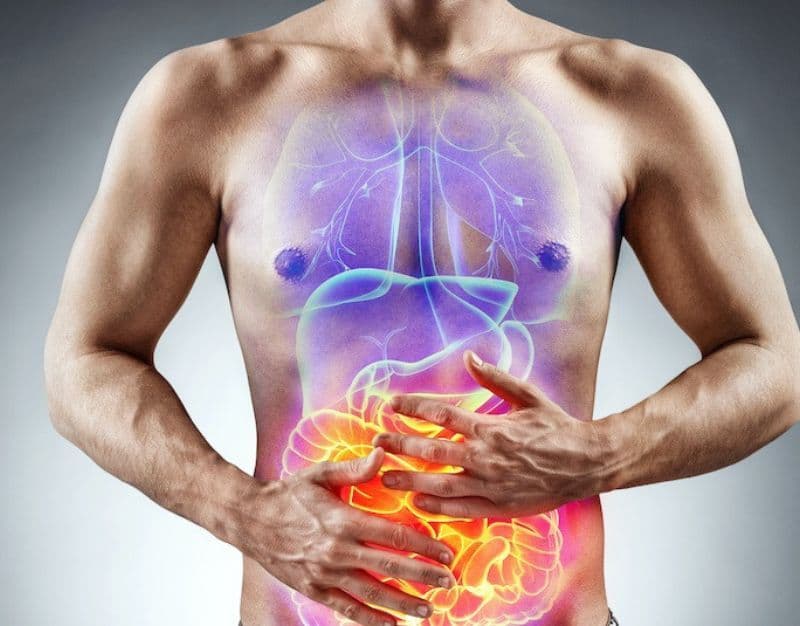
All autoimmune diseases start in the gut. We design custom plans of dietary intervention, supplements and lifestyle recommendations to help heal the gut and support the immune system. In supporting these fundamental functions of the digestive tract we can reduce inflammation and see dramatic changes in symptoms.
Start Your Health Consultation
Take the first step toward better health. Personalized care, real answers, and lasting wellness start here.
Book your Discovery CallFinding the Root Cause
We know that autoimmunity requires 3 things to develop:
- 1Genetic predisposition
- 2Leaky gut (a.k.a intestinal permeability)
- 3An environmental trigger
It All Starts in the Gut!
Our small intestine consists of 25 feet of tubing, the inside surface area being equivalent to that of a doubles tennis court!
Proteins called “tight junctions” prevent a flood of material into the gut. Low vitamin D levels coupled with inflammation in the gut starts to widen the space between cells, allowing materials (bacteria and food) to start seeping through. This triggers inflammation and as antibodies are formed they begin to target the thyroid. This is why medication may help symptoms but it can never resolve your thyroid condition.
Graves’ Care in Boulder, Colorado — and Nationwide by Telehealth
Dr. Autoimmune is based in Boulder, Colorado, and delivers care entirely by telehealth so patients across Colorado and the United States can work with the team without travel.
Lab draws are coordinated at a facility convenient to where you live. Discovery calls and evaluations happen by secure video. If you are searching for a graves’ specialist in Boulder, start on this page and the homepage. Denver metro patients can read how visits work with the Boulder clinic on the Denver telehealth page, then book a discovery call to confirm fit alongside any specialists you already see.
Frequently Asked Questions
No. Medication, radioactive iodine, or surgery decisions belong with your endocrinologist. We work on root-cause factors and overall resilience alongside that care.
Related Reading
At Dr. Autoimmune, we provide personalized, root-cause care to uncover the source of your symptoms and support long-term wellness. This page is educational and is not a diagnosis or a substitute for specialty care when it is needed.
Related Conditions
Explore other conditions we regularly treat with the same root-cause approach.