Celiac Disease & Gluten Intolerance Care
Conditions We Support
Meet our Boulder Celiac doctor who can help you navigate a gluten-free life. We focus on healing your gut and boosting nutrition.
What is Celiac Disease?
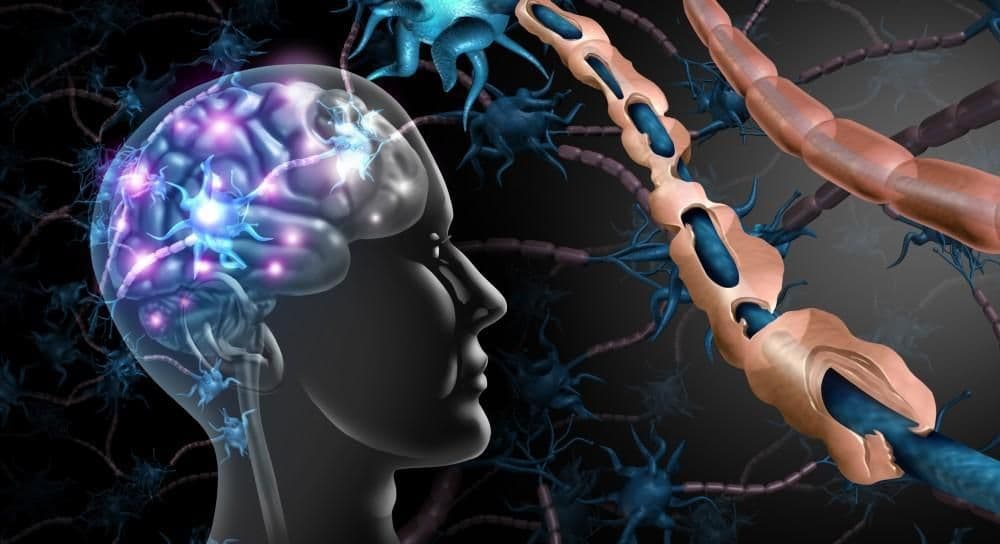
Celiac disease is an autoimmune condition where the body attacks its own tissue. Shockingly, the majority of symptoms tend to be neurologic (in the brain), not gastrointestinal (in the gut). In fact, for every single celiac suffering from gut symptoms, 7 others may have only brain-based symptoms (headaches, fatigue, numbness/tingling, depression, etc).
The majority of Americans actually have a genetic predisposition for gluten intolerance, which can trigger and/or exacerbate many other conditions, especially related to autoimmunity. Let us help you find out if your health conditions are related to gluten intolerance.

Celiac Disease Symptoms
Do you suspect or know that you have celiac disease or are gluten intolerant? Symptoms may include:
- Abdominal cramping, pain and bloating
- Depression/Anxiety
- Constipation
- Diarrhea
- Headaches
- Fatigue (can present as chronic iron deficiency)
- Bone/joint pain
- Itchy skin/rashes (dermatitis herpetiformis)
- Struggles with weight gain or inability to lose weight
- Balance troubles (ataxia)
- Mouth ulcers
- “Failure to thrive”
- Miscarriage
- Osteoporosis
Triggers for Celiac Disease
What can trigger celiac disease?
- Lack of breastfeeding
- Chronic stress
- Fungal/Candida overgrowth
- Timing of gluten introduction
- Hormones
- Chronic low vitamin D levels
Gluten-Related Testing Explained
- Tissue transglutaminase IgA (tTG-IgA) and total IgA
- Endomysial antibodies and deamidated gliadin peptides when used
- Small-bowel biopsy reports when celiac disease is being confirmed
- Evaluation for non-celiac gluten sensitivity when celiac testing is negative but symptoms persist
Celiac vs Allergy vs Sensitivity
Celiac disease is an autoimmune reaction to gluten confirmed with serology and often biopsy. Wheat allergy is an IgE-mediated allergy. Non-celiac gluten sensitivity involves symptoms with gluten exposure without celiac markers.
A strict gluten-free diet is the foundation of celiac care. Functional medicine also looks at nutrient repletion, gut repair, and coexisting immune issues after gluten is removed.
Our Approach to Gluten-Related Disorders
We clarify which gluten disorder fits your labs, review nutrient gaps common after malabsorption, and support gut healing while you maintain the dietary restrictions your diagnosis requires.
How Can Dr. Autoimmune Help?
“Why don't I feel better now that I'm off gluten?” Sadly, 60% of patients studied one year post gluten removal still had no significant gut healing. Meaning, you can remove the main trigger (gluten), but you can still suffer from symptoms. This is most likely from continued autoimmune inflammation, infections, hormonal changes and nutrient deficiencies. You heard that right: the majority of those diagnosed with celiac disease do not recover after gluten withdrawal!
It can be frustrating trying to find help with chronic and complex conditions, which is why we have chosen to dedicate our practice to exactly that. Instead of treating the symptoms, our functional medicine approach focuses on finding the causes.
All autoimmune diseases start in the gut. We design custom plans of dietary intervention, supplements and lifestyle recommendations to help heal the gut and support the immune system. In supporting these fundamental functions of the digestive tract we can reduce inflammation and see dramatic changes in symptoms.
Start Your Health Consultation
Take the first step toward better health. Personalized care, real answers, and lasting wellness start here.
Book your Discovery CallFinding the Root Cause
We know that autoimmunity requires 3 things to develop:
- 1Genetic predisposition
- 2Leaky gut (a.k.a intestinal permeability)
- 3An environmental trigger
It All Starts in the Gut!
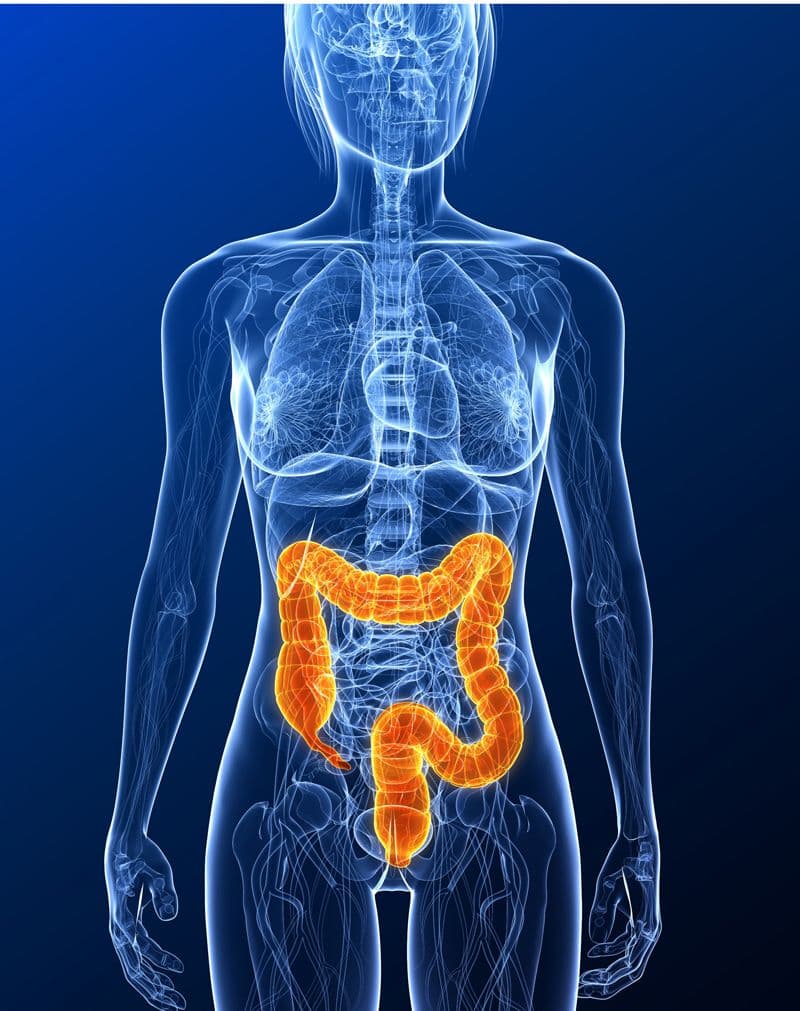
Our small intestine consists of 25 feet of tubing, the inside surface area being equivalent to that of a doubles tennis court!
Proteins called “tight junctions” prevent a flood of material into the gut. Low vitamin D levels coupled with inflammation in the gut starts to widen the space between cells, allowing materials (bacteria and food) to start seeping through. This triggers inflammation and as antibodies are formed against your own tissue.
Celiac and gluten-related Care in Boulder, Colorado — and Nationwide by Telehealth
Dr. Autoimmune is based in Boulder, Colorado, and delivers care entirely by telehealth so patients across Colorado and the United States can work with the team without travel.
Lab draws are coordinated at a facility convenient to where you live. Discovery calls and evaluations happen by secure video. If you are searching for a celiac and gluten-related specialist in Boulder, start on this page and the homepage. Denver metro patients can read how visits work with the Boulder clinic on the Denver telehealth page, then book a discovery call to confirm fit alongside any specialists you already see.
Frequently Asked Questions
If celiac testing is planned, ask your clinician before removing gluten — many antibody and biopsy tests are more accurate while gluten is still in the diet.
Related Reading
Find Care in Your State
Looking for Celiac Disease & Gluten Intolerance support by telehealth from where you live? Open the guide for your state to see how video visits, time zones, and local lab draws work. Availability is confirmed with the office — these pages do not claim licensure in every state.
- Alabama
- Alaska
- Arizona
- Arkansas
- California
- Colorado
- Connecticut
- Delaware
- Florida
- Georgia
- Hawaii
- Idaho
- Illinois
- Indiana
- Iowa
- Kansas
- Kentucky
- Louisiana
- Maine
- Maryland
- Massachusetts
- Michigan
- Minnesota
- Mississippi
- Missouri
- Montana
- Nebraska
- Nevada
- New Hampshire
- New Jersey
- New Mexico
- New York
- North Carolina
- North Dakota
- Ohio
- Oklahoma
- Oregon
- Pennsylvania
- Rhode Island
- South Carolina
- South Dakota
- Tennessee
- Texas
- Utah
- Vermont
- Virginia
- Washington
- West Virginia
- Wisconsin
- Wyoming
Or browse the full areas we serve directory.
At Dr. Autoimmune, we provide personalized, root-cause care to uncover the source of your symptoms and support long-term wellness. This page is educational and is not a diagnosis or a substitute for specialty care when it is needed.
Related Conditions
Explore other conditions we regularly treat with the same root-cause approach.