
POTS Care Is More Than Salt and Pills
Postural Orthostatic Tachycardia Syndrome (POTS) is a complex disorder that affects the autonomic nervous system, the system responsible for controlling many automatic functions in your body, including heart rate, blood pressure, and circulation.
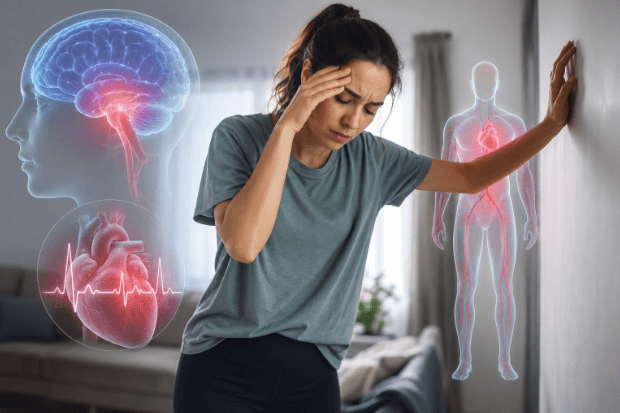
For many people with POTS, standing up causes the heart rate to increase dramatically while blood flow struggles to keep up. The result can be dizziness, lightheadedness, brain fog, fatigue, weakness, heart palpitations, nausea, and even fainting. These symptoms can make everyday activities feel overwhelming.
Conventional recommendations such as increasing fluids, adding more salt, wearing compression garments, and taking medications can provide relief for some people. However, many continue to experience persistent symptoms, frequent flare-ups, and an ongoing struggle to regain their quality of life.
At Dr. Autoimmune, we believe POTS is often more than a heart rate problem. It can be a sign that multiple body systems are out of balance. A functional medicine approach focuses on identifying and addressing those underlying contributors rather than simply managing symptoms.
Why a Functional Medicine Approach Can Make a Difference
No two people with POTS experience the condition the same way. Some struggle primarily with fatigue, while others battle dizziness, digestive issues, headaches, exercise intolerance, or brain fog. Because of this, treatment should never be one-size-fits-all.
Functional medicine takes a comprehensive look at your health history, symptoms, lifestyle, and laboratory findings to better understand why your body is struggling.
Instead of asking, “How do we control your symptoms?” we ask:
- Why is your autonomic nervous system under stress?
- What underlying factors may be contributing to your symptoms?
- How can we better support your body’s ability to heal?
This whole-person approach allows us to create a personalized plan based on your unique needs instead of relying on a standard treatment protocol.
🎥Want to Learn More About POTS?
If you’ve been told that the only solutions for POTS are to drink more water, increase your salt intake, or rely solely on medications but you’re still struggling with symptoms, you’re not alone. While these recommendations can be helpful, they often don’t address why POTS developed in the first place or the underlying factors that may be contributing to your condition.
To help patients better understand this complex disorder, Dr. Ian Hollaman is hosting a FREE LIVE educational webinar, “POTS: When Medications & Salt Don’t Cut It,” on Wednesday, August 19, at 5:00 PM Mountain Time.
During this informative webinar, you’ll discover why many people continue to experience symptoms despite conventional treatment, explore some of the underlying factors that may contribute to POTS, and learn how a functional medicine approach looks beyond symptom management to identify potential root causes. Dr. Hollaman will also discuss practical strategies that may help support long-term health and improve quality of life.
Looking Beyond Your Heart Rate: Identifying Root Causes
POTS symptoms are often only the visible part of a much larger picture. Beneath the surface, there may be several underlying issues contributing to autonomic dysfunction.
During a comprehensive functional medicine evaluation, we may investigate:
- Autonomic nervous system imbalance
- Chronic inflammation
- Nutrient deficiencies affecting nerve function and energy production
- Hidden infections
- Immune system dysregulation
- Hormonal imbalances
- Adrenal dysfunction
- Gut health concerns
- Environmental toxin exposure
Rather than treating everyone the same, we focus on discovering which systems may need additional support.
While you’re here, check out this great video Dr. Autoimmune did on TikTok
Comprehensive Testing That Provides Answers
Understanding what’s happening inside your body often requires more than routine lab work.
Depending on your health history and symptoms, your evaluation may include:
- Advanced blood work
- Nutrient testing
- Inflammatory markers
- Immune system evaluation
- Hormone and adrenal assessments
- Comprehensive stool testing
- Food sensitivity testing, when appropriate
We also encourage patients to monitor daily symptoms, heart rate, blood pressure, sleep quality, and energy levels. These real-world observations often provide valuable insight that cannot always be captured during a single office visit.
Personalized Nutrition and Lifestyle Strategies
Nutrition and lifestyle play a significant role in supporting individuals living with POTS.
Every treatment plan is individualized and may include recommendations such as:
- Personalized hydration strategies
- Appropriate electrolyte and mineral support
- Blood sugar stabilization through meal timing
- Anti-inflammatory nutrition
- Optimizing protein intake
- Sleep optimization
- Stress management techniques
- Nervous system regulation
Small changes, implemented consistently, can often make a meaningful difference over time.
Safe Movement and Exercise
Exercise is important for many people with POTS—but the wrong type of exercise or progressing too quickly can worsen symptoms.
A functional medicine approach focuses on helping patients gradually rebuild endurance while minimizing symptom flare-ups.
Depending on the individual, recommendations may include:
- Recumbent exercise
- Semi-reclined strength training
- Walking progression programs
- Gentle cardiovascular conditioning
- Pacing strategies to avoid post-exertional crashes
The goal isn’t simply to exercise more—it’s to exercise smarter.
Supporting the Body Beyond Medications
Prescription medications can be an important part of POTS treatment, but many people also want to explore additional ways to support their health.
Depending on your individual needs, your personalized care plan may include:
- Targeted electrolyte support
- Nutritional supplementation
- Mitochondrial support
- Gut restoration strategies
- Anti-inflammatory nutrition
- Stress resilience support
- Lifestyle modifications designed to improve daily function
Every recommendation is personalized based on your health history, symptoms, and laboratory findings.
Living Well with POTS
One of the greatest frustrations many people with POTS experience is feeling misunderstood.
Too often, patients are told their symptoms are “normal,” anxiety-related, or simply something they must learn to live with. We believe your symptoms deserve careful evaluation and thoughtful investigation.
Our goal is to help patients better understand their condition, identify possible underlying contributors, and develop a personalized strategy that supports long-term wellness—not just temporary symptom relief.
Living with POTS can be challenging, but having a comprehensive plan and the right guidance can help you regain confidence and improve your quality of life.
Start Your Healing Journey
If you’re living with POTS and feel like you’ve exhausted the traditional options, a functional medicine approach may help uncover the missing pieces.
Dr. Ian Hollaman, DC, MSc, FMCP, also known as Dr. Autoimmune, has more than 17 years of experience working with chronic, unresolved health conditions. His work focuses on helping people better understand the underlying contributors to symptoms involving dizziness, fatigue, nervous system dysregulation, post viral syndromes, immune imbalance, circulation issues, digestive dysfunction, and chronic inflammation.
Start with thePOTS Root Cause Assessment to begin connecting the dots.
Whether you’re newly diagnosed or have been living with POTS for years, we’re here to help you take the next step toward better health.
Book your discovery calltoday, to learn how a root-cause approach may help you move beyond symptom management and toward lasting wellness.
POTS Treatment Beyond Salt and Medications — FAQ
Is POTS an autoimmune disease? Not always. Some people with POTS have autoimmune features or coexisting autoimmune diagnoses; others do not. Evaluation should stay individualized.
Can functional medicine help POTS? Functional medicine looks at autonomic symptoms alongside gut health, nutrient status, infection history, and inflammatory drivers — while you continue any cardiology or neurology care you already have. Salt and medications remain appropriate tools for many patients; they are not the only levers.
What should I bring to a telehealth visit? A symptom diary (heart rate, dizziness, meals, menstrual cycle if relevant), prior tilt-table or autonomic testing, and a medication list.
Related: why POTS symptoms still don’t make sense, discovery call, services.
Ready to Find Your Root Cause?
Book a discovery call and talk through your symptoms with our team, no obligation.
Book your Discovery Call