
Gluten is a protein found in wheat, barley, rye, and related grains. It is a common ingredient in many foods, including bread, pasta, and cereal. While gluten is safe for most people to consume, it can cause health problems for those with gluten-related disorders. In this article, we will explore the differences between celiac disease, gluten allergy, and gluten sensitivity.
Celiac Disease
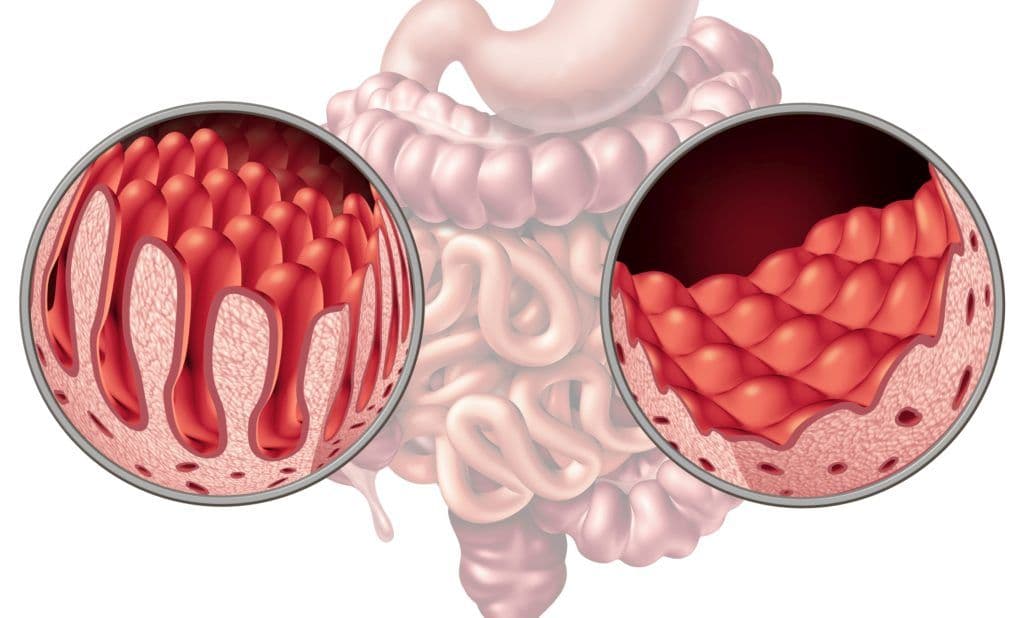
Celiac disease is an autoimmune disorder that affects about 1% of the population. It is caused by an immune reaction to gluten, which damages the small intestine. This damage can lead to malabsorption of nutrients and a range of health problems, including anemia, osteoporosis, and neurological disorders.
The symptoms of celiac disease can vary widely and may include abdominal pain, bloating, diarrhea, constipation, fatigue, and weight loss. Some people with celiac disease may not have any symptoms at all. The only way to diagnose celiac disease is through a blood test and biopsy of the small intestine.
The treatment for celiac disease is a strict gluten-free diet. This means avoiding all foods that contain gluten, including wheat, barley, rye, and related grains. It is important for people with celiac disease to read food labels carefully and avoid cross-contamination with gluten-containing foods.
Gluten Allergy
A gluten allergy is a type of food allergy that affects a small percentage of the population. Unlike celiac disease, which is an autoimmune disorder, a gluten allergy is an immune system reaction to the proteins in gluten.
The symptoms of a gluten allergy can range from mild to severe and may include hives, itching, swelling, nausea, vomiting, and difficulty breathing. In rare cases, a gluten allergy can cause anaphylaxis, which is a life-threatening allergic reaction.
The treatment for a gluten allergy is to avoid all foods that contain gluten. People with a gluten allergy should carry an epinephrine auto-injector with them at all times in case of anaphylaxis.
Gluten Sensitivity
Gluten sensitivity, also known as non-celiac gluten sensitivity, is a condition in which a person experiences symptoms similar to those of celiac disease or a gluten allergy, but does not have an autoimmune or allergic reaction to gluten.
The symptoms of gluten sensitivity can include abdominal pain, bloating, diarrhea, constipation, headache, fatigue, and joint pain. The symptoms can be similar to those of celiac disease or a gluten allergy, but they are generally less severe.
The diagnosis of gluten sensitivity is based on symptoms and the exclusion of celiac disease and gluten allergy. There is currently no specific test for gluten sensitivity. The treatment for gluten sensitivity is to avoid gluten-containing foods.
The Bottom Line
Gluten-related disorders can cause a range of health problems, from mild discomfort to life-threatening reactions. Celiac disease is an autoimmune disorder that affects about 1% of the population. It is caused by an immune reaction to gluten, which damages the small intestine. The only treatment for celiac disease is a strict gluten-free diet.
A gluten allergy is a type of food allergy that affects a small percentage of the population. The symptoms of a gluten allergy can range from mild to severe and can include hives, itching, swelling, and difficulty breathing. The treatment for a gluten allergy is to avoid all foods that contain gluten.
Gluten sensitivity, also known as non-celiac gluten sensitivity, is a condition in which a person experiences symptoms similar to those of celiac disease or a gluten allergy but does not have an autoimmune or allergic reaction to gluten. The diagnosis of gluten sensitivity is based on symptoms, and the treatment is to avoid gluten-containing foods.
If you suspect that you have a gluten-related disorder, it is important to speak with your healthcare provider for
Ready to Find Your Root Cause?
Book a discovery call and talk through your symptoms with our team, no obligation.
Book your Discovery Call